Marine transportation has been an essential part of global trade, tourism, and recreation for centuries. While commercial shipping moves goods across oceans, marine charter services provide flexible solutions for transporting people, cargo, and specialized equipment by sea. Whether it is a luxury yacht vacation, an offshore business operation, a fishing expedition, or a cargo transport service, marine charters play a significant role in supporting industries and creating memorable travel experiences. By offering customized vessels and professional crews, marine charter companies serve individuals, businesses, and government organizations with reliable and efficient maritime solutions.
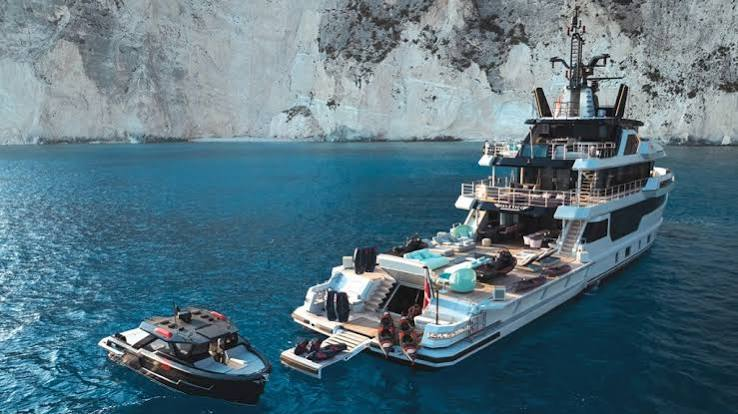
Today, the marine charter industry continues to expand as demand for personalized travel experiences, offshore energy projects, marine research, and coastal transportation increases. Advances in navigation technology, vessel design, and environmental practices have further improved the quality and safety of charter services around the world.
Understanding Marine Charters
A marine charter is an agreement in which a vessel owner rents a boat, yacht, ship, or other watercraft to an individual or organization for a specific period or purpose. Depending on the charter arrangement, customers may hire the vessel with a professional crew or operate it themselves if local regulations permit and they possess the required qualifications.
Marine charters provide flexibility because customers only pay for the vessel when needed instead of purchasing and maintaining one themselves. This makes chartering an attractive option for vacations, business operations, scientific research, transportation, and special events.
The charter agreement typically outlines the duration of the rental, the destination, operating costs, crew responsibilities, insurance requirements, and safety regulations. This ensures that both the charter company and the customer clearly understand their obligations before the journey begins.
Types of Marine Charters
Marine charter services are available in various forms to meet different customer requirements.
Bareboat charters allow customers to rent a vessel without a crew. In this arrangement, the person renting the vessel assumes full responsibility for navigation, operation, and maintenance during the charter period. These charters are popular among experienced sailors who prefer complete independence.
Crewed charters include an experienced captain and professional crew who manage the vessel throughout the journey. This option allows passengers to relax and enjoy their trip without worrying about navigation or technical operations. Crewed charters are commonly chosen for luxury vacations, corporate events, and private celebrations.
Luxury yacht charters provide premium travel experiences with modern amenities, gourmet dining, entertainment facilities, and personalized services. These charters are frequently selected for family holidays, weddings, anniversaries, and business hospitality.
Commercial marine charters support industries such as offshore energy, marine construction, fisheries, environmental research, and cargo transportation. Specialized vessels are designed to meet the technical requirements of these operations while maintaining high safety standards.
Importance of Marine Charter Services
Marine charters contribute significantly to both local and global economies. In tourism, they attract travelers seeking unique coastal experiences, island exploration, diving adventures, wildlife observation, and recreational fishing. These activities generate income for hotels, restaurants, local guides, and other tourism-related businesses.
Businesses also rely on marine charter services to transport personnel, equipment, and supplies to offshore facilities such as oil and gas platforms, wind farms, and construction projects. Scientific organizations use chartered research vessels to conduct marine biology studies, oceanographic surveys, and environmental monitoring.
Government agencies often charter vessels for search and rescue operations, coastal security, disaster response, and maritime law enforcement. The flexibility of charter services allows organizations to access specialized vessels without investing in permanent fleets.
Technology and Innovation
Modern marine charter companies increasingly use advanced technology to improve safety, efficiency, and customer experience. Satellite navigation systems, GPS tracking, digital communication equipment, weather forecasting tools, and automated monitoring systems enable crews to operate vessels with greater accuracy and reliability.
Online booking platforms have also simplified the charter process by allowing customers to compare vessels, review pricing, check availability, and make reservations from anywhere in the world. Mobile applications provide trip updates, itinerary management, and customer support before and during the voyage.
Many companies are also introducing electric and hybrid-powered vessels, fuel-efficient engines, and environmentally friendly operating practices to reduce emissions and support sustainable marine tourism.
Challenges Facing the Industry
Despite its growth, the marine charter industry faces several challenges. Seasonal demand can affect business profitability, particularly in regions that depend heavily on tourism. Rising fuel costs, maintenance expenses, changing environmental regulations, and skilled labor shortages also present ongoing operational challenges.
Weather conditions remain another significant factor, as storms, high winds, and rough seas can delay or cancel scheduled charters. To address these risks, companies invest heavily in safety training, vessel maintenance, insurance coverage, and advanced forecasting technologies.
Future Outlook
The future of marine charters looks promising as global interest in luxury travel, eco-tourism, adventure tourism, and offshore industries continues to grow. Increasing investment in sustainable vessels, digital technologies, and personalized customer experiences is expected to drive further industry expansion.
As travelers seek unique experiences beyond traditional vacations and businesses continue to require flexible maritime transportation, marine charter companies are likely to play an even greater role in supporting tourism, commerce, scientific research, and offshore operations.
Conclusion
Marine charters have become an essential part of the modern maritime industry by offering flexible, efficient, and customized solutions for both recreational and commercial purposes. From luxury yacht vacations to offshore business operations and scientific research, charter services provide access to specialized vessels without the responsibilities of ownership. With ongoing technological advancements, a growing focus on sustainability, and increasing global demand, the marine charter industry is well-positioned for continued growth. By combining professional expertise, modern technology, and customer-focused services, marine charter companies will continue connecting people, businesses, and destinations across the world’s oceans.